Central Propaganda Department and Ministry of Public Security Launch 2026 National Anti-Fraud Campaign Month
Telecommunications and internet fraud crimes are showing a high incidence trend, with criminal methods constantly evolving, seriously infringing on people's property safety. To further curb the spread of fraud crimes, the Central Propaganda Department and the Ministry of Public Security have recently jointly deployed the 2026 "National Anti-Fraud Action" concentrated publicity month activities, aiming to enhance nationwide fraud prevention and recognition capabilities through comprehensive and multi-level publicity campaigns, and create a good social atmosphere for the whole society to participate in anti-fraud efforts.
The concentrated publicity month activities are jointly deployed by the Central Propaganda Department and the Ministry of Public Security. This is another important measure following recent anti-fraud special operations. The two departments will fully leverage their respective functional advantages, integrate publicity resources and law enforcement forces, and form a working synergy for combating and preventing telecommunications and internet fraud. The activities will popularize anti-fraud knowledge and expose common fraud methods through various forms and channels, effectively enhancing the public's ability to recognize and prevent fraud.
The publicity campaigns will focus on key areas such as communities, schools, financial institutions, and internet service providers. Differentiated publicity strategies will be developed based on the characteristics of different groups to ensure anti-fraud knowledge precisely reaches target audiences. The publicity theme is determined as "don't listen, don't believe, don't be greedy," which concisely summarizes the core essentials of fraud prevention.
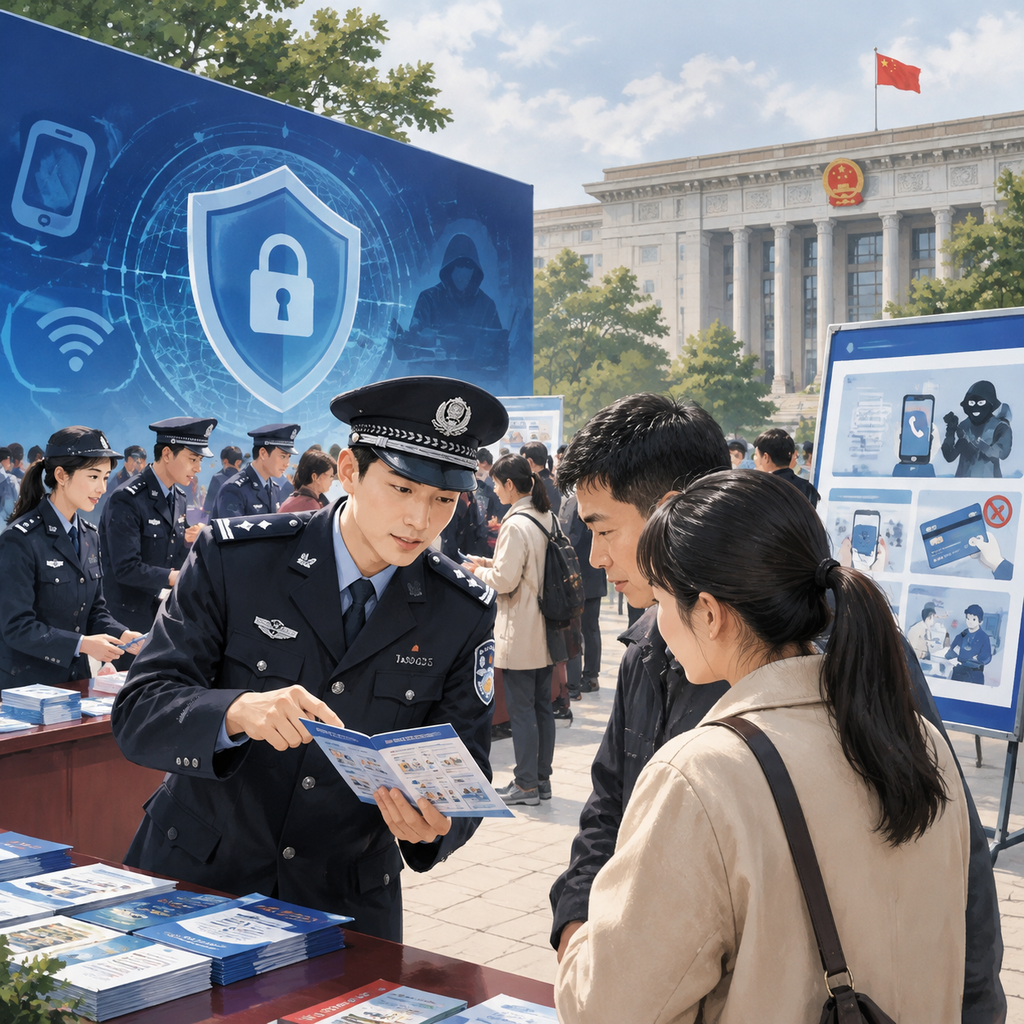
Publicity month activities have been launched simultaneously across the country, with anti-fraud publicity reaching the front lines. Communities have become important positions for anti-fraud publicity. Through setting up consultation desks, distributing publicity materials, and organizing special lectures, publicity personnel popularize common fraud methods and prevention skills among residents. Schools, as places concentrating youth groups, are also listed as key publicity areas. Through engaging anti-fraud theme education activities, fraud prevention awareness among student groups is enhanced.
Financial institutions and internet service providers are required to strengthen their main responsibilities for anti-fraud publicity. Anti-fraud publicity areas are set up in bank business outlets and operator business halls, displaying uniformly produced publicity boards and manuals. Internet platforms popularize anti-fraud knowledge through pop-up reminders and message notifications, building a three-dimensional publicity network combining online and offline approaches.
While increasing publicity efforts, public security agencies continue to maintain high-pressure combat against telecommunications and internet fraud crimes. During the publicity month, public security agencies across the country successfully cracked multiple telecommunications and internet fraud cases, destroyed a number of fraud criminal groups, and arrested a number of criminal suspects. Relevant departments intercepted a large amount of fraud information through technical means, effectively blocking contact between fraudsters and victims and reducing losses to the public.
Frontline police officers play a key role in anti-fraud work. Upon receiving victim reports, police promptly initiate emergency handling mechanisms, on-site guide victims to hang up calls with fraudsters, and remind them to remove SIM cards to prevent further operation of transfers. Police repeatedly emphasize that victims should hang up first and hand over their phones, and if necessary, find SIM ejector tools to remove SIM cards, ensuring the blocking of possibilities for fraudsters' remote control.
The publicity month activities particularly emphasize social participation. By extensively mobilizing public strength, an anti-fraud pattern of "everyone participates, everyone benefits" is promoted. The public is encouraged to actively report fraud clues and cooperate with public security agencies in investigation work. During the publicity month, various places will also organize diverse mass anti-fraud activities such as anti-fraud knowledge competitions and case sharing sessions to increase public participation.
The establishment of a long-term anti-fraud publicity mechanism is an important goal of this activity. Relevant departments will summarize the experiences of the publicity month activities, promote the normalization and institutionalization of anti-fraud publicity, and continuously consolidate and expand publicity results. Through continuous publicity and education combined with prevention and combat, the work goal of significantly reducing telecommunications and internet fraud cases and significantly enhancing people's sense of security is striving to be achieved.
Public security agencies remind the public to remain vigilant when receiving unfamiliar calls, and adhere to "don't listen, don't believe, don't be greedy." Any requests for transfers under the name of public security and procuratorial authorities, so-called "safe account" transfers, commission-based returns, and online friendship inducing investment and gambling are all common fraud methods. Upon discovering fraud, the public should immediately call 110 to report, providing key information such as transfer vouchers and chat records.
Preventing telecommunications and internet fraud requires keeping in mind the following key points: don't easily believe strangers' calls, don't click on unknown links, don't transfer money to unfamiliar accounts, and don't share verification codes and passwords. If encountering suspicious situations, one can always call the anti-fraud hotline for consultation. Only through joint efforts of all sectors of society can a solid defense line against telecommunications and internet fraud be built.


本站爆料正文为用户真实投稿(UGC),AI 仅用于跨语言翻译与辅助整理,全部内容均经人工审核核实后发布,仅供公众防骗参考。