Hundreds of Thousands Trapped in Southeast Asian Scam Compounds as Global Criminal Networks Profit Nearly $40 Billion Annually
July 30, 2025 marked the 21st World Day Against Trafficking in Persons. The International Organization for Migration (IOM) released a report revealing a troubling reality that has long been overlooked: over the past decade, human trafficking for forced criminality has continued to expand, with hundreds of thousands of victims confined in online scam compounds across Southeast Asia. These compounds generate nearly $40 billion in illegal profits annually, making them one of the fastest-growing sectors of organized crime.
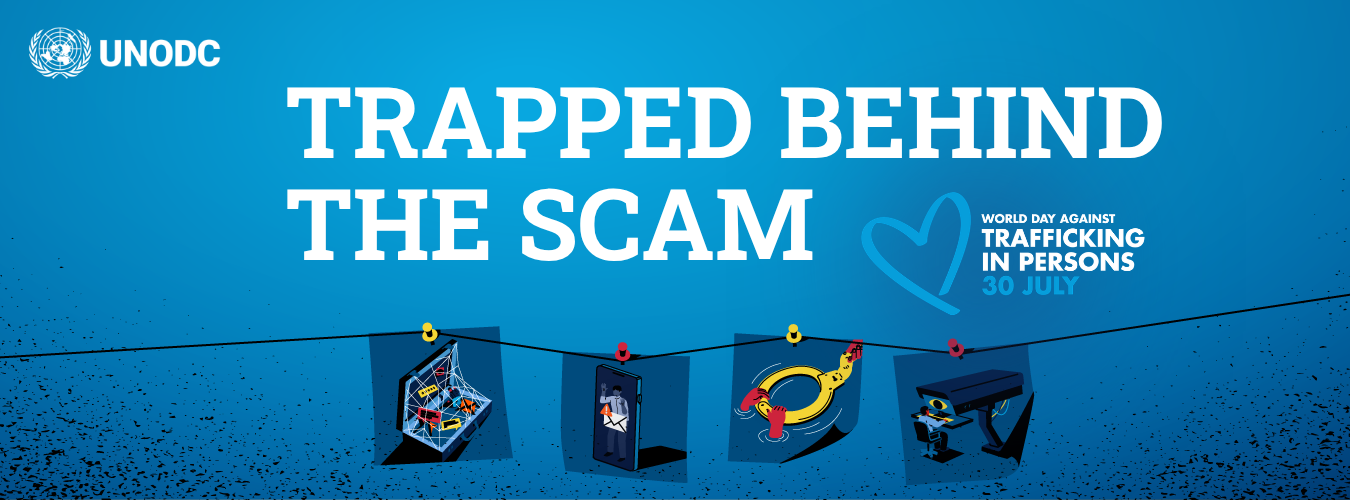
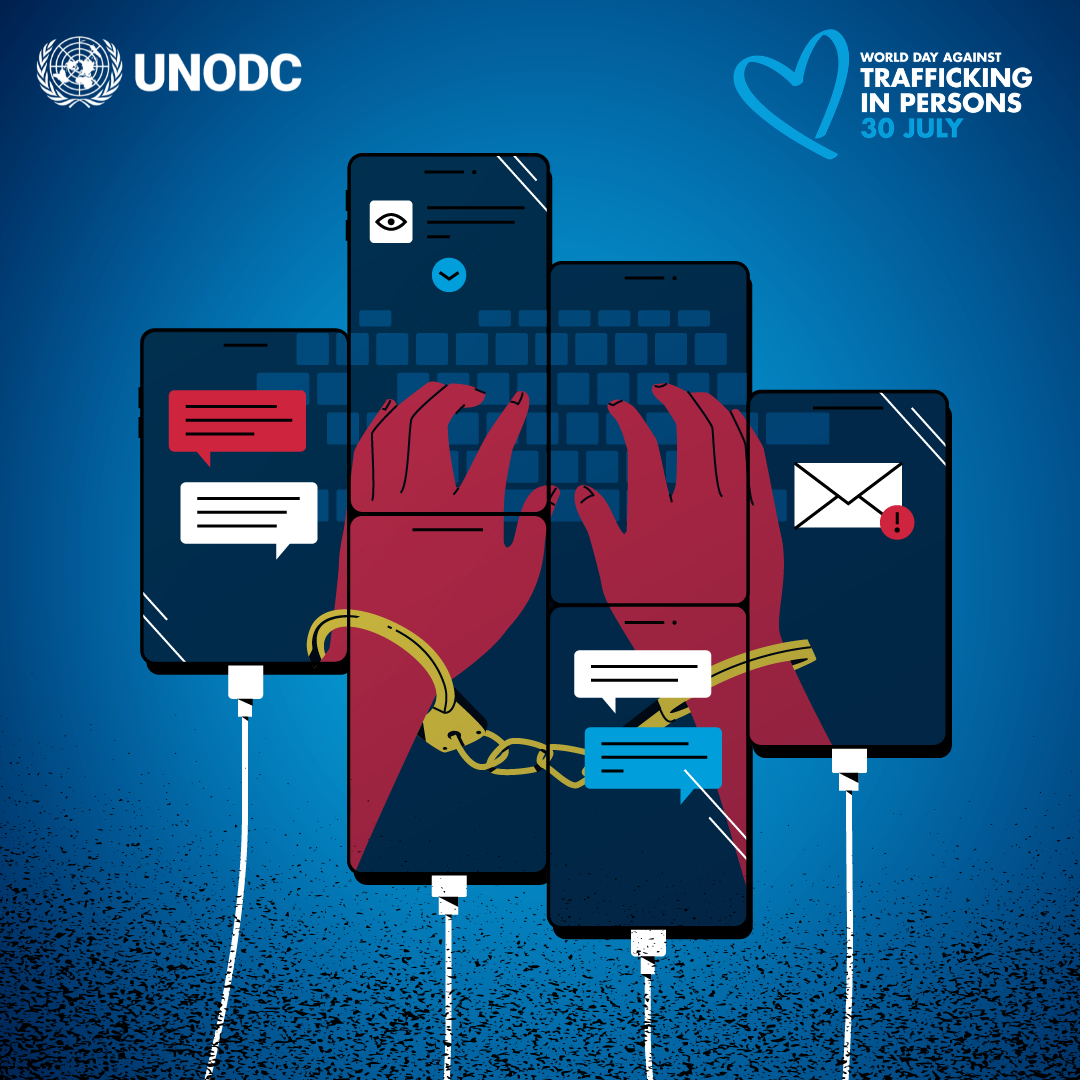
Unlike traditional human trafficking, this new crime model directly pushes victims to the front lines of telecom fraud. The United Nations has recognized this growing crisis, announcing that the 2026 World Day Against Trafficking in Persons will focus on the theme "Trapped Behind the Scam" - the first time the focus has been placed on this rapidly expanding form of crime.
Recruitment methods used by criminal organizations are not new but are highly deceptive. According to UN reports, transnational criminal groups typically recruit victims through fake job advertisements promising legitimate overseas employment. These advertisements offer positions such as food service workers, customer service representatives, and tour guides with attractive salary packages, luring job seekers in urgent need of work.
Upon arriving at their destination, victims find themselves confined to remote illegal compounds. Passports are confiscated, movements are monitored, and communications are cut off - they have effectively fallen into the hands of traffickers. This "lure and confine" model means victims become criminal tools without even realizing it.
Southeast Asian scam compounds are usually located in border areas or regions with weak regulation, featuring high walls, barbed wire, and armed guards. The IOM estimates that hundreds of thousands of victims are currently held in these facilities.
Inside the compounds, military-style management prevails. Each victim is assigned specific "performance quotas" and must complete designated fraud tasks. Work hours often exceed 12 hours, and those who fail to meet targets face violent punishment. Debt bondage is another common control method - victims are forcibly burdened with so-called "accommodation fees," "training costs," and "food expenses," making it impossible to leave even if they want to escape due to mounting debts.
Fraud activities within compounds have become standardized assembly lines. Common types include romance scams (commonly known as "pig-butchering scams"), where criminals build emotional relationships through social media before luring victims into investments; cryptocurrency fraud, using high-yield investment promises to commit financial fraud; as well as fake customer service scams and fraudulent online stores.
Victims are not only criminal tools but also directly implicated in crimes. The UN report notes this form of exploitation is closely linked to cybercrime, financial fraud, money laundering, and corruption, demonstrating the increasingly interconnected nature of organized crime. One victim often serves multiple criminal groups simultaneously, forming complex crime networks.
While the international community focuses on compound crimes, fraudsters' money laundering methods are also evolving. The Daoxiangcun Subdistrict in Hefei's Shushan District recently discovered that criminal groups are now inducing victims to withdraw cash offline and purchase gold, transferring illicit funds through physical transactions to evade online warnings.
"Unlike online transfers that can be tracked in real time and frozen urgently, cash and gold transactions are highly covert, quick to liquidate, and difficult to trace," explained Han Yang, Director of the Peace and Rule of Law Office in Daoxiangcun Subdistrict. Once victims complete the fraud transaction, illicit funds can be laundered in as little as ten minutes, making subsequent recovery efforts often ineffective. This trend means anti-fraud work faces increasingly complex challenges.
Personal awareness is crucial in the face of this global crime wave. The UN specifically reminds job seekers to verify overseas recruitment information through official channels and remain highly cautious about positions with salaries significantly higher than market rates. Upon arrival, if passports are withheld or movement is restricted, victims should immediately try to contact local police or their embassy.
In China, anti-fraud defenses are continuously advancing. Daoxiangcun Subdistrict has established a police-bank joint "gold and cash interception" minimum intervention unit, where bank staff can immediately trigger alerts, coordinate with police, and conduct on-site persuasion when detecting suspicious transactions. Community-level education and awareness are equally essential. Jilin Sports Lottery recently collaborated with Huayang Community in Changchun's Nanguan District to conduct interactive anti-fraud awareness activities,普及常见诈骗类型 for elderly populations.
At the international level, the UN has designated "Trapped Behind the Scam" as the 2026 theme, aiming to raise global awareness of this form of crime. The IOM has called on countries to strengthen cross-border law enforcement cooperation, disrupt human trafficking chains, and provide necessary rescue and rehabilitation support for victims. Only through joint efforts by governments, law enforcement agencies, social organizations, and the public can this criminal industry harming hundreds of thousands be effectively curbed.

本站爆料正文为用户真实投稿(UGC),AI 仅用于跨语言翻译与辅助整理,全部内容均经人工审核核实后发布,仅供公众防骗参考。